2026-10-24 · David 'Dave' Miller
Troubleshooting a Furnace That Won't Ignite in Cold Pocatello Weather
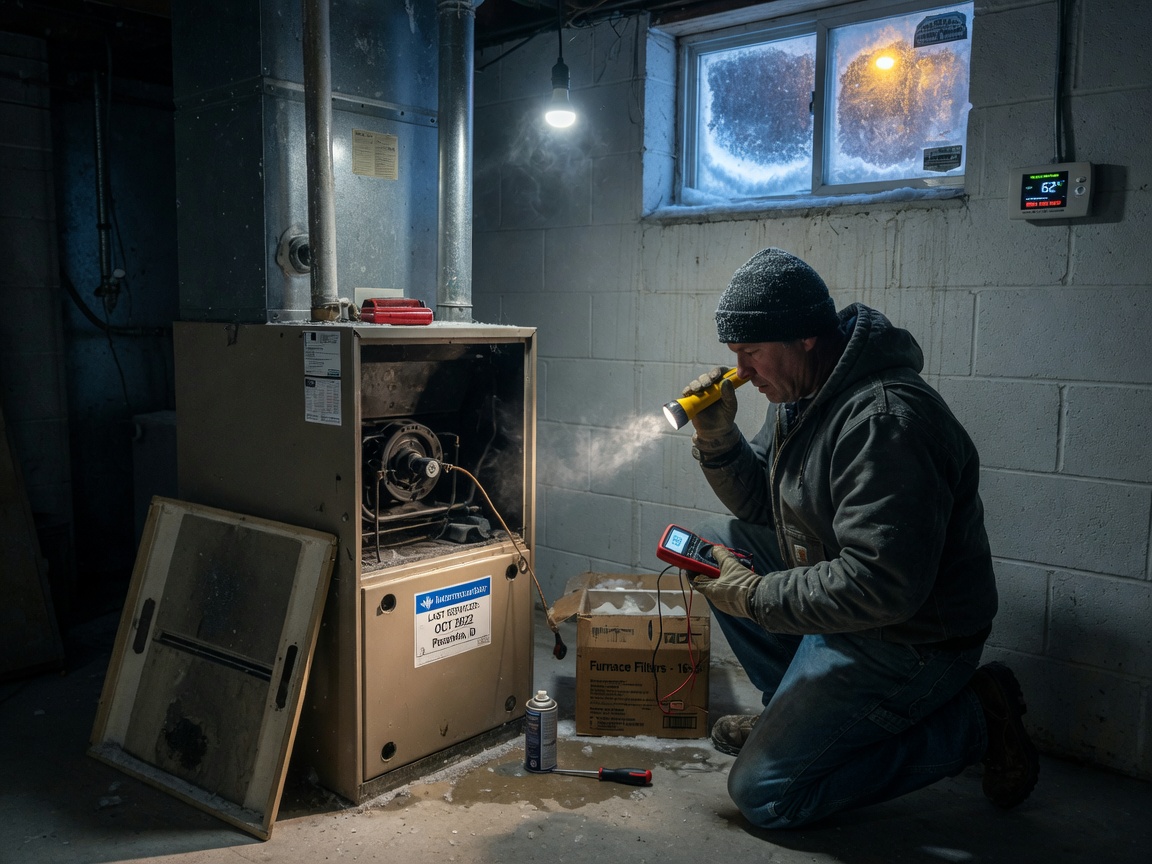
If your furnace isn't igniting in cold Pocatello weather, the most frequent culprits are issues with the thermostat settings, a clogged air filter, problems with the pilot light or igniter, a faulty flame sensor, or a condensate drain blockage. Addressing these common issues often involves simple checks you can perform, but for safety and effectiveness, any repairs beyond basic troubleshooting should be handled by an experienced professional. Given the older housing stock common in areas like Downtown Pocatello and the University District, these systems can be particularly susceptible to wear and tear, making regular maintenance crucial before the deep freezes hit Bannock County.
Checking Your Thermostat Settings and Power Supply
Before diving into the furnace itself, always start with the basics: your thermostat. Ensure it's set to 'Heat' and the temperature is at least 5 degrees Fahrenheit above the current room temperature. A common oversight in the rush of a cold snap is simply having the thermostat set too low or to 'Off.' Also, verify that your furnace has power. Check the circuit breaker in your electrical panel; sometimes a tripped breaker is all it takes to prevent ignition. In older homes, especially those around Ross Park Zoo, electrical systems can be more sensitive, leading to unexpected trips. If the breaker trips repeatedly, it indicates a more serious electrical issue that needs professional attention. Remember, a furnace needs a continuous power supply to cycle properly and ignite.
Inspecting the Air Filter and Vents
A dirty air filter is one of the most common reasons a furnace struggles, or even fails, to ignite. A clogged filter restricts airflow, causing the furnace to overheat and trip its limit switch, preventing it from starting a new heating cycle. Pull out your furnace's air filter and inspect it. If it's dark with accumulated dust and debris, it needs to be replaced. We recommend checking your filter monthly, especially during the peak heating season in Pocatello's cold winters, and replacing it every 1–3 months. Additionally, ensure that all heating vents in your home, from Highland to the outskirts of Chubbuck, are open and not blocked by furniture or drapes. Restricted airflow can cause similar issues, leading to inefficient operation and potential ignition problems. For deeper insights into maintaining proper airflow, you might find our article on Maintaining Furnace Vents During Pocatello Snow Season helpful.
Pilot Light or Igniter Issues
Many older furnaces, particularly those found in the established neighborhoods of Pocatello, utilize a pilot light to ignite the main burner. If this small flame is out, your furnace won't ignite. Locate your pilot light assembly and follow the manufacturer's instructions for relighting it. For safety, wait at least 5 minutes after a failed attempt to allow any accumulated gas to dissipate. Newer furnaces, and many installed in the last 20 years, use an electronic igniter (either a hot surface igniter or an intermittent pilot). If you hear a click but no ignition, or see no glow from the igniter, it could be faulty or dirty. A cracked igniter or one coated in grime from dust and debris will fail to reach the temperature needed to ignite the gas. This is a common issue that often requires a professional repair, as handling gas lines and electrical components can be hazardous. If you're experiencing persistent issues with your pilot light or igniter, our specialized Furnace Ignition Problems service can diagnose and resolve the issue safely.
Troubleshooting the Flame Sensor
The flame sensor is a crucial safety device that detects if a flame has successfully ignited in the burner. If the sensor is dirty or faulty, it won't detect the flame, and the furnace's control board will shut off the gas supply as a safety measure, preventing ignition or causing the furnace to short cycle. Over time, a thin layer of carbon buildup can accumulate on the flame sensor rod, insulating it and preventing it from detecting the flame properly. This is a common problem in furnaces throughout Bannock County. You can often carefully clean the flame sensor with a fine emery board or steel wool, but it's a delicate component. If cleaning doesn't resolve the issue, or if the sensor appears damaged, it will need to be replaced. A professional can quickly diagnose if your flame sensor is the culprit and perform the necessary cleaning or replacement to restore proper operation.
Condensate Drain Line Blockage (High-Efficiency Furnaces)
If you have a high-efficiency furnace, particularly common in newer constructions around the Pocatello Greenway or homes built in the last 15–20 years, a clogged condensate drain line can prevent ignition. These furnaces produce acidic water as a byproduct of combustion, which drains through a PVC pipe. If this line gets blocked by algae, debris, or freezing (a real concern during Pocatello's cold snaps), a safety switch will trip, preventing the furnace from starting. Look for standing water in the drain pan or a visible blockage in the clear PVC tubing. You can often clear a minor blockage with a wet/dry vac or by carefully flushing the line with a mixture of vinegar and water. However, if the issue persists or if you suspect a blockage within the furnace itself, it's best to call a professional. Blockages can also lead to water damage if not addressed promptly, especially when temperatures drop significantly in areas like Blackfoot and the surrounding region.