2026-10-24 · David 'Dave' Miller
Maintaining Furnace Vents During Pocatello Snow Season
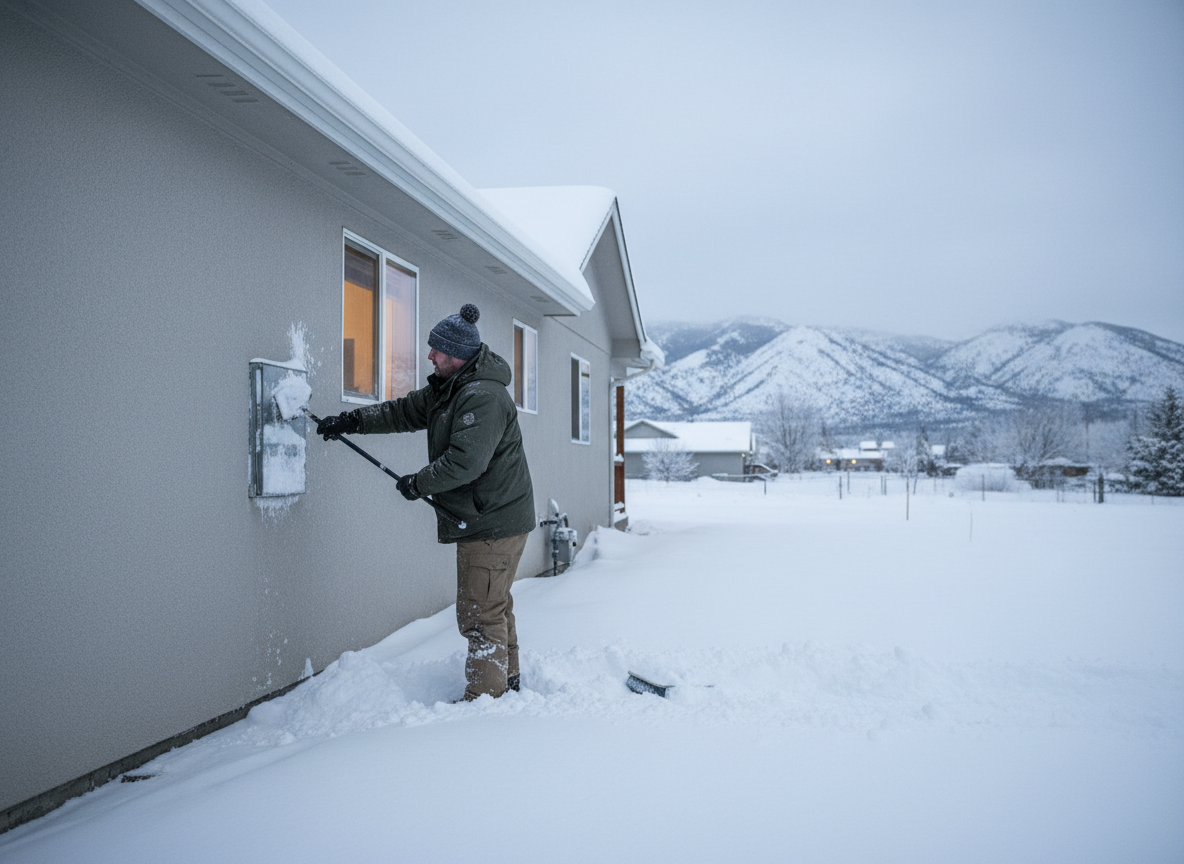
Maintaining furnace vents during Pocatello's snow season primarily involves ensuring they remain clear of snow, ice, and debris to prevent carbon monoxide buildup and maintain efficient heating. This isn't just a matter of convenience; it's a critical safety measure, especially with our often heavy snowfall and prolonged cold snaps that can quickly bury exterior vents. Homeowners in areas like Highland and near Idaho State University should make routine vent checks part of their winter home maintenance, ideally after every significant snowfall or during prolonged periods of freezing temperatures, which can lead to ice accumulation. Ignoring these simple checks can lead to serious issues, from a furnace not turning on to more dangerous scenarios involving exhaust gas recirculation.
Why Clear Furnace Vents Are Critical in Pocatello's Winter
Pocatello experiences cold, snowy winters, with temperatures frequently dropping below freezing and significant snowfall accumulations. This climate directly impacts your furnace's operation, particularly its exhaust and intake vents. Most modern high-efficiency furnaces, common in both newer constructions and updated older homes across Bannock County, use PVC pipes for combustion air intake and exhaust. These vents are typically located on the side or rear of your home, often close to the ground. When snow piles up, or ice forms from melting and refreezing, these vents can become completely obstructed. A blocked exhaust vent can cause harmful carbon monoxide to back up into your home, while a blocked intake vent starves the furnace of necessary combustion air, leading to system shutdowns or inefficient operation. This is especially true for homes in older neighborhoods like those around Downtown Pocatello, where vent placement might be less optimized for heavy snow.
Identifying and Clearing Blocked Vents
The first step in maintaining your furnace vents is knowing where they are. Take a walk around your home before the snow really starts to fly and locate the PVC pipes protruding from the side of your house. There will usually be two pipes, often 2–3 inches in diameter, typically within a foot or two of each other. During winter, after a significant snowfall or a period of freezing rain, visually inspect these vents. Look for snowdrifts covering them, ice dams forming around the openings, or even icicles blocking the pipe ends. If you see any obstruction, carefully clear it away. Use a broom or a shovel to gently remove snow, being careful not to damage the pipes. For ice, avoid chipping it directly, as this can crack the PVC. Instead, try to clear snow around the ice to expose it to warmer air, or use warm (not hot) water to melt it if absolutely necessary, ensuring the water doesn't create new ice hazards. If you notice your furnace is short cycling or struggling to heat, a blocked vent could be the culprit, prompting a need for furnace troubleshooting.
Preventing Vent Blockages
Proactive measures can significantly reduce the risk of blocked furnace vents. Consider installing vent extensions or covers designed to elevate the vent openings above typical snow lines. These are readily available at most hardware stores and can be a worthwhile investment for Pocatello's winters. When shoveling snow around your home, always be mindful of where your furnace vents are located. Create a clear perimeter of at least 2–3 feet around them, ensuring snow from your driveway or walkways isn't piled up against the house near the vents. If you have landscaping or bushes near the vents, trim them back before winter to prevent snow from accumulating on them and then falling onto the vents. For homes in areas prone to heavy drifting, like some parts of Chubbuck or Blackfoot, installing a small, sturdy barrier (like a short fence section) can help deflect snow away from the vent area.
Carbon Monoxide Safety: A Pocatello Priority
A blocked furnace exhaust vent is a leading cause of carbon monoxide (CO) buildup in homes. Carbon monoxide is an odorless, colorless gas that can be deadly. Given our reliance on furnaces for heating throughout the long Pocatello winter, having working carbon monoxide detectors on every level of your home, especially near sleeping areas, is non-negotiable. Test these detectors monthly and replace their batteries annually. If your carbon monoxide alarm sounds, or if you experience symptoms like headaches, dizziness, or nausea, evacuate your home immediately and call 911. Then, contact a professional for a furnace carbon monoxide safety inspection to diagnose the issue. Never ignore a CO alarm, as the consequences can be fatal.
When to Call a Professional
While routine vent clearing is a homeowner's responsibility, some situations warrant professional help. If you've cleared your vents but your furnace is still exhibiting problems like not turning on, blowing cold air, or making strange noises, it's time to call an expert. These symptoms can indicate underlying mechanical issues that go beyond a simple blockage. Furthermore, if you suspect your vents are improperly installed or are consistently getting blocked despite your best efforts, a professional can assess the situation and recommend solutions, potentially involving rerouting or extending the vent pipes. For any persistent heating issues, especially during the peak of winter, don't hesitate to contact Pocatello FurnaceCraft, based right here at 462 E Oak St Ste a, Pocatello, ID 83201, for reliable emergency furnace repair to ensure your home stays warm and safe.